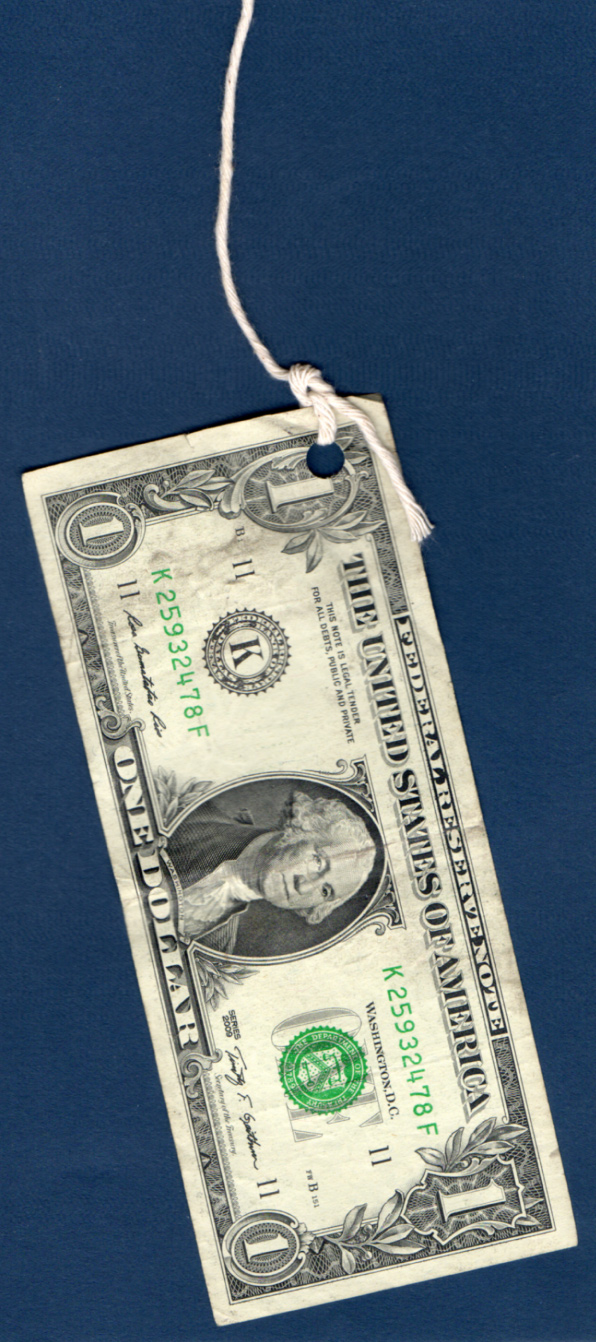
Why crowd sourcing, and other tactics like “design contests” harm the creative fields.
What is crowd sourcing? Well, you may recall that in crowd funding people beg strangers for money so that they can launch whatever their project is, from an album to a food truck. Mostly, even if the project is a success, the donors never expect to see a dime of their money back. Crowd sourcing is much, much worse.
A business seeks out copywriters, photographers, designers, artists, or musicians either directly or by running an ad somewhere like Craigslist. Everybody submits a completed project, based on the specs, and then only one is accepted. Sometimes they are up front about the fact that numerous designers will work on the “project” and only one lucky soul gets paid. Sometimes, they don’t say a thing about that. In the end they may choose what they consider the best design or they may choose whomever they think will cost the least.
You might think that only small, struggling startups resort to crowd sourcing projects. You would be dead wrong. Back in 2011 the Obama administration created a poster contest with a jobs theme for his re-election campaign. Obama had 60 million dollars to work with in his campaign fund and what did the “winner” get? The lucky designer got only a copy of the poster signed by Barry himself. You can read more about this particular travesty here at Rolling Stone
You can see the Obama poster finalists at this site and you can also see that they are not particularly strong in their delivery of the message. North Korea does a much better job of getting propaganda posters to come out right. Maybe Obama should have threatened artists with hard labor, or he could have just paid for the work and had actual interaction with the artist.
There are examples of people in creative services fighting back against clients ripping them off. Perhaps the most famous example is Mike Monteiro of Mule Design. His Creative Mornings talk in 2012 was titled “Fuck You, Pay Me.” He gives some pretty good advice. I really enjoyed how he worked a reference to Goodfellas into his speech. You can watch the video here at YouTube.
Then, in the summer of 2014, a designer named Dan Cassaro became a celebrity for his response to an invitation that Showtime sent him. Yes, Showtime offered him entry into a contest. Artists would create illustrations for the second Mayweather Maidana fight. The “winner” would get a trip to Las Vegas and have the artwork displayed in the MGM Grand. His response went all over Twitter and it is quoted here:
“Thanks for your thinking of me for this! Glad you are digging my style!
It is with great sadness that I must decline your enticing offer to work for you for free. I know that boxing matches in Las Vegas are extremely low-budget affairs, especially ones with nobodies like Floyd “Money” Mayweather. I heard he only pulled in 80 million for his last fight! I also understand that “mom and pop” cable channel like Showtime must rely on handouts just to keep the lights on these days. Thanks a lot, Obama! My only hope is that you can scrape up a few dollars from this grassroots event at the MGM Grand to put yourself back in the black. If that happens you might consider using some of that money to compensate people to doing the thing they are professionally trained to do.
Godspeed,
Dan”
You can see the winners of the Mayhem contest here.
I think you will agree that even the winner is fairly mediocre. Perhaps if they had been willing to pay someone actual money they might have done better. Now, I realize that someone out there is thinking “What about multiple ad agencies that are asked to pitch ideas to clients for the same product. Isn’t that the same thing? If that is acceptable, why isn’t that crowd sourcing?” The answer is that it is not the same thing. First agencies do not submit a completed project when pitching a new client. For example, if the project is an ad for TV or Internet broadcast, storyboards are traditionally used to convey the initial idea. Maybe they will produce a of short rough version with low production values, butIt would be self destructive to spend the money to film finished ads and then have them all shot down.
In the case of print ads, direct mail, and static web sites, a client might receive “comps” that would show the idea and have a bunch of dummy copy underneath the headline. If the client accepts and signs with the agency, the odds are that everything from the images, headline, and copy will go through multiple changes until both the agency and the client are satisfied with the ad campaign. Finally, agencies generally get retainers for large projects and a contract that ensures that they will get substantial future work from the client. So, it is easy to see that the risks are overshadowed by the potential rewards of a pitch.
In closing, it is obvious that crowd sourcing is a ponzi scheme. Instead of stealing money, like Bernie Madoff, businesses are taking precious time from creatives. In the process they are making those creative careers less appealing to young people, and they were never easy in the first place. So, if you are an artist steer clear of these hunger games. If you are a business, think twice and remember that you get what you pay for.